
 CONSTRUCTCHECK
Damp Myths
Why damp-proofing injections often don’t fix damp
And how to find the real cause before you pay
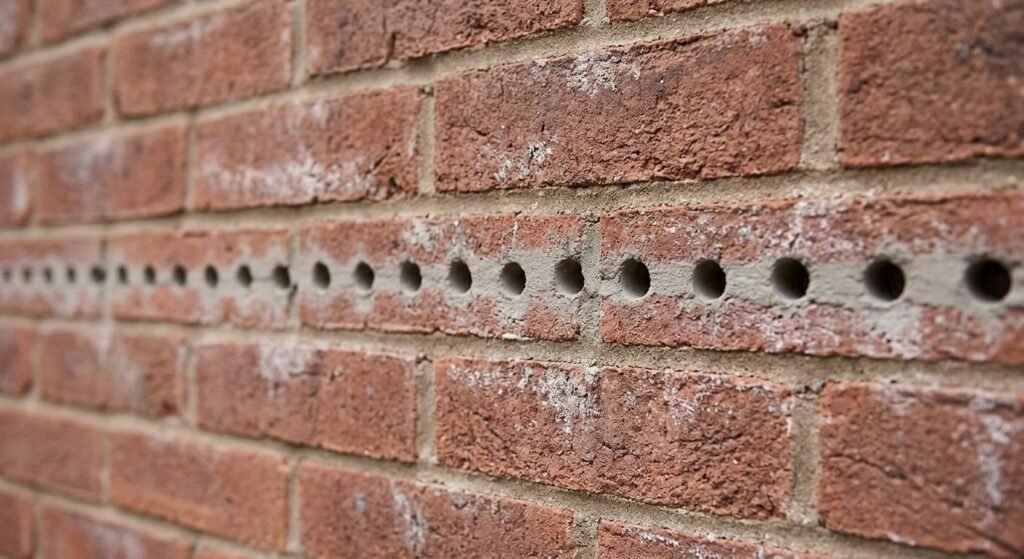
Chemical injection damp-proof courses (DPCs) are one of the most common damp “fixes” sold in the UK. They have their place for genuine rising damp. But much of the damp they’re sold for isn’t rising damp at all, which is why so many landlords pay for treatment and watch the mould come straight back.
What an injection DPC actually does
An injection DPC is a water-repellent cream or fluid drilled into the base of a wall. It’s designed to stop moisture rising up from the ground through the masonry. That’s all it does. It does nothing for condensation, leaks, failed seals, blocked gutters or bridged ground levels.
The most common reasons it fails
| Real cause | Why an injection won’t help | The actual fix |
|---|---|---|
| Condensation | Moisture comes from the air inside, not the ground | Extraction, ventilation, heating, insulation at cold spots |
| Penetrating damp | Water is getting in from outside, often higher up | Repair gutters, pointing, render, window and sill seals |
| Bridged DPC | The existing DPC is fine, but soil, paving or render sits above it | Lower ground levels, cut back render, clear the bridge |
| Plumbing leak | A hidden pipe is wetting the wall | Find and fix the leak |
| Salts in old plaster | Plaster keeps drawing moisture even after the cause is gone | Remove contaminated plaster, replaster with a breathable finish |


How damp gets misdiagnosed
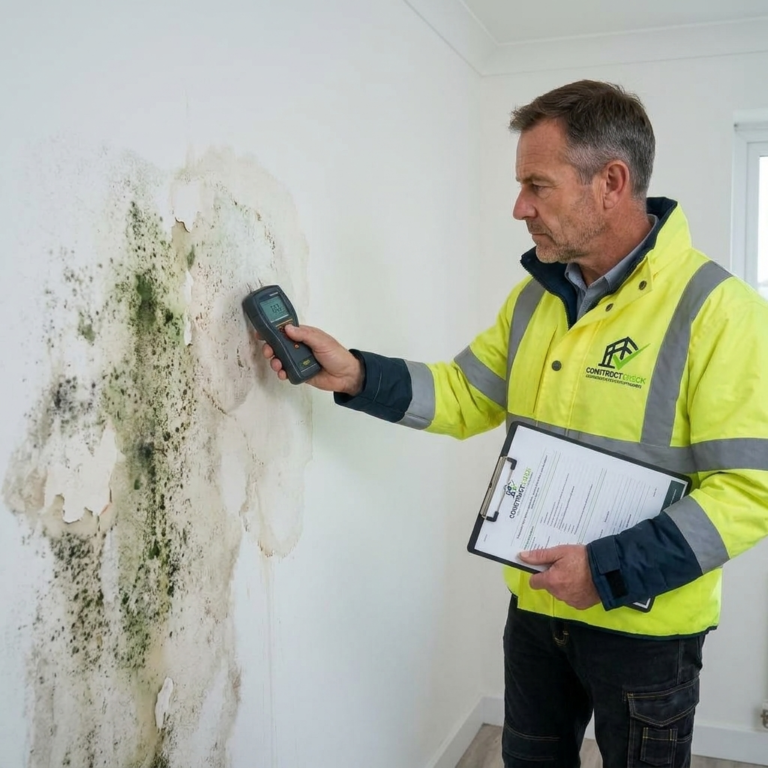
A common shortcut is a quick moisture meter reading at the bottom of a wall. The problem is that many meters are calibrated for timber, and salts, foil-backed plaster and condensation can all give high readings. A high number alone doesn’t prove rising damp.
A proper diagnosis looks at the pattern: readings at different heights, surface temperature against dew point, what’s happening outside the wall, and whether readings drop off with height the way genuine rising damp does. Learn the signs in condensation, rising or penetrating damp: how to tell the difference.
The money side
A failed treatment costs you twice: once for the work, and again for the real fix when the problem returns. Add redecorating, tenant disruption and, for social landlords, Awaab’s Law deadlines restarting. The real fix, whether that’s a fan, a seal or a gutter, is often far cheaper than the treatment.
Been quoted for damp-proofing?
Get an independent diagnosis before you sign. It could save you thousands.
Book a Damp Survey →Why Independent?© 2026 ConstructCheck (constructcheck.com). Written by Sebastian C, Registered Building Inspector and Level 3 Fire Door Inspector. All rights reserved. This article and its images may not be copied or republished without written permission. Original source: constructcheck.com